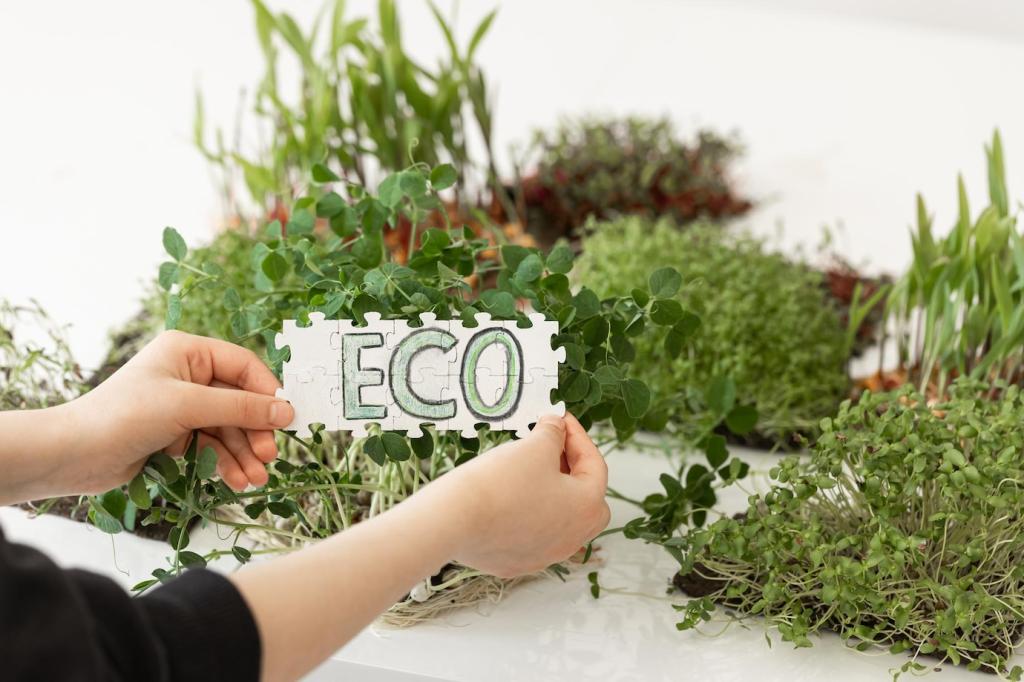


Growing Cities: The Promise of Sustainable Urban Agriculture

Chosen theme: Sustainable Urban Agriculture. Welcome to an uplifting, practical space where city blocks become edible ecosystems. Expect science made simple, stories that feel close to home, and step-by-step guidance you can act on today. Join the conversation, subscribe for updates, and tell us how your neighborhood could grow greener.

Why Sustainable Urban Agriculture Matters Today

Resilience in a Changing Climate

Green roofs and courtyard gardens cool heat islands, capture stormwater, and buffer extreme weather. Growing food nearby cuts transport emissions and builds redundancy when supply chains wobble. What climate challenge does your block face, and how could plants help?

Start Small: Balconies, Windowsills, and Rooftops

Track sun patterns for a week, noting shade from trees and neighboring buildings. Confirm weight limits for rooftops and balconies, and use lightweight media. Consult building management if unsure, then share your plan sketch in the comments for feedback.

Start Small: Balconies, Windowsills, and Rooftops

Repurpose food-grade buckets, use fabric grow bags, or build sub-irrigated planters that save water. Choose peat-free mixes, enrich with mature compost, and rotate crops. Post a photo of your chosen containers and tell us which herbs you will try first.


Circular Nutrients: Compost, Worms, and Biochar

Try bokashi for odor-free indoor pre-composting, then finish outdoors or in a sealed tumbler. Balance greens with browns, keep it moist like a wrung sponge, and bury food scraps properly. Ask questions below to troubleshoot smells, moisture, or fruit flies.

Circular Nutrients: Compost, Worms, and Biochar

Vermicomposting transforms coffee grounds and peels into rich castings that supercharge container gardens. Keep bedding airy, avoid citrus overload, and harvest castings every few months. If you have a worm bin, tell us your favorite tip for keeping worms happy.

Smart Growing: Low-Tech Tools and Open Data

Moisture sensors, mechanical timers, and capillary mats reduce guesswork and overwatering. Choose durable, repairable tools, not gadgets destined for landfill. Subscribe for monthly urban grower hacks, and tell us which tool saved you the most time this year.

Smart Growing: Low-Tech Tools and Open Data

Use hyperlocal forecasts, note wind tunnels between buildings, and track balcony temperatures. A simple garden journal turns patterns into plans. Share one microclimate surprise you discovered and how it changed your planting schedule or varietal choices.

Smart Growing: Low-Tech Tools and Open Data

Open-source maps can coordinate compost pickups, surplus harvests, and seed swaps across neighborhoods. Start a shared spreadsheet or join an existing map. Interested in collaborating? Comment your city and subscribe to meet growers near you.
Tubegecko
Privacy Overview

This website uses cookies so that we can provide you with the best user experience possible. Cookie information is stored in your browser and performs functions such as recognising you when you return to our website and helping our team to understand which sections of the website you find most interesting and useful.